
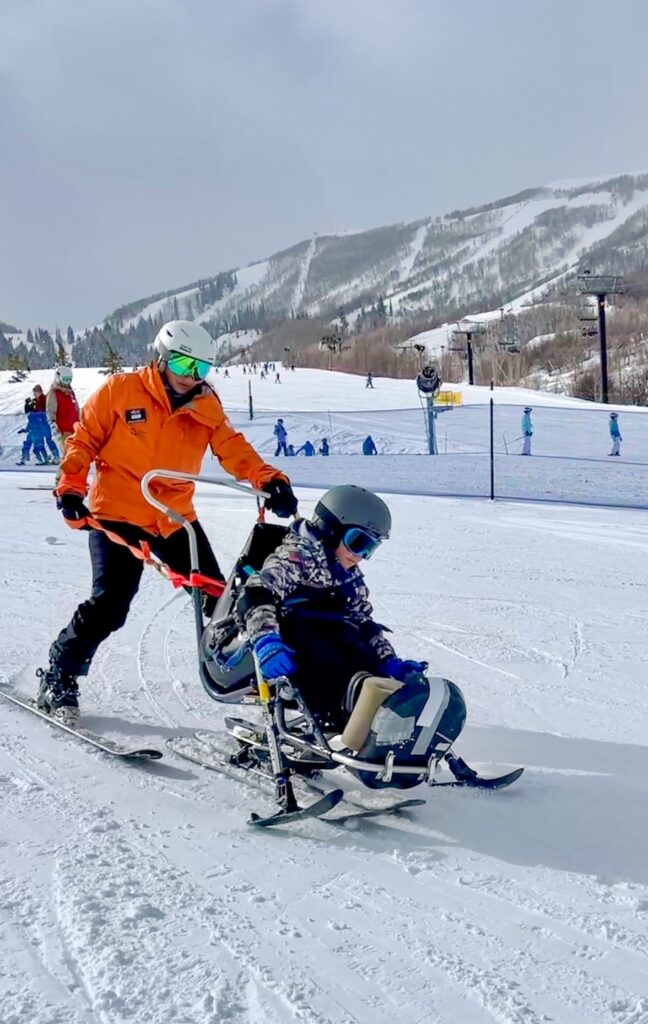
When we went adaptive skiing we were met with more questions on the how than the where. Surprisingly, skiing is one of those sports that’s truly for ALL abilities. Almost anyone can ski. Whether it’s using specialized equipment or techniques, adaptive skiing makes the slopes accessible and fun for everyone.
Here’s a quick overview of adaptive skiing:
- Accessibility: Adaptive skiing allows people with various physical and cognitive disabilities to enjoy skiing with the help of specialized gear and supportive programs.
- Inclusion: This sport emphasizes community and participation. Regardless of ability, everyone is encouraged to join and experience the excitement of skiing.
- Specialized Equipment: From mono-skis and outriggers to ski bikes and blind guides, there are numerous devices and techniques designed to meet the needs of different skiers, ensuring safety and enhancing enjoyment.
If you’re unfamiliar with adaptive skiing, look up some YouTube clips from the Paralympics. It’s pretty incredible. We’ve had great experiences with adaptive ski at Park City Utah through the National Ability Center and at Vermont Adaptive, but there are adaptive ski programs all over the world.
There’s nothing like the freedom of flying down a mountain with the wind in your face, and adaptive skiing makes that mountain experience barrier-free.

Understanding Adaptive Skiing
Adaptive skiing is part of a broader category known as adaptive sports, which are designed to cater to individuals with physical and cognitive disabilities. These sports provide an opportunity for everyone to enjoy recreational activities, regardless of their abilities. There’s a pretty amazing range of sports and outdoor activities that have been adapted for all abilities.
Adaptive Sports
Adaptive sports have been around for nearly a century, evolving to include a wide range of activities custom to different needs. Almost any sport can be done by a wheelchair user – it’s just done differently. Adaptive skiing is one of the most popular adaptive sports, probably because skiing is one of the coolest sports (in the opinion of this non-athletic mom whose only sport is skiing). It uses specialized equipment and techniques to ensure safety and FUN for all participants.
Physical Disabilities
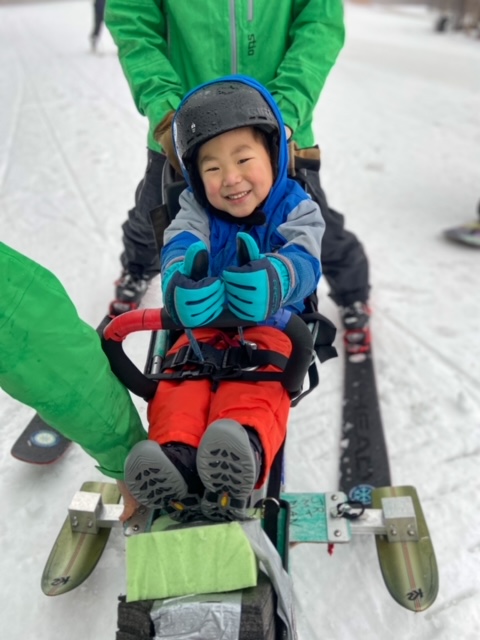
For those with physical disabilities, adaptive skiing offers a chance to experience the slopes in a way that suits their needs. Equipment like mono-skis, bi-skis, and skibobs are specifically designed for skiers with limb or trunk disabilities. These devices allow individuals to ski seated, providing stability and control. Options extend in both directions, for those who need more support, or who may have more independence.
Cognitive Disabilities
Adaptive skiing isn’t just for those with mobility challenges. There are adaptive ski options for all levels and types of abilities and disabilities. Programs are custom to address specific needs, ensuring a safe and enjoyable experience for all ability levels. With the help of instructors, adaptive skiing becomes a rewarding activity that promotes confidence and inclusion for all.
- Custom Instruction: Lessons are adapted to the individual’s learning style and capabilities, ensuring they can progress at their own pace. It’s a great option for people with cognitive disabilities or delays.
Adaptive skiing is about more than just hitting the slopes; it’s about embracing the thrill of the sport and the freedom it brings. As the landscape of adaptive sports continues to expand, so do the opportunities for individuals to connect with the joy of skiing.
Types of Adaptive Ski Equipment
Adaptive skiing opens up the slopes to everyone, thanks to an array of specialized equipment designed to meet diverse needs. Let’s explore some of the key types of adaptive ski equipment that make this possible.
Mono-Skis
Mono-skis are perfect for those with lower limb disabilities. They feature a single wide ski with a molded seat on top. This setup allows skiers to sit while skiing, providing stability and control. Handheld outriggers are used to steer and balance, making it possible for skiers to steer the slopes independently. Mono-skis are ideal for those with decent shoulder and arm strength.
Bi-Skis
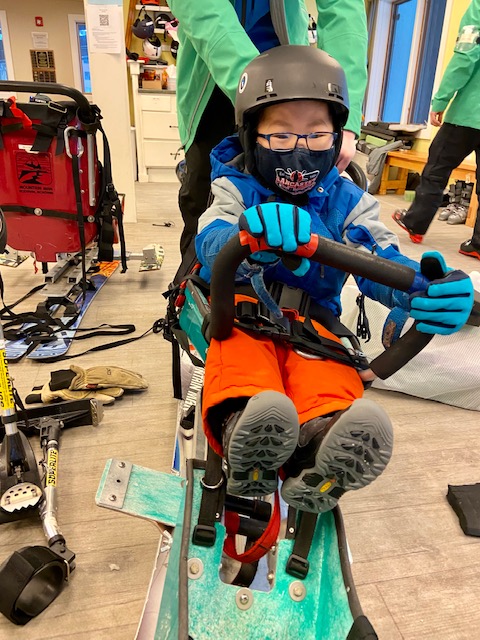
Bi-skis are the same basic idea as a mono ski, but with two skis instead of one for increased stability. These are less independent and the starting place for skiers working up to a mono-ski.
Tandem Skis
Tandem skis are designed for two people to ski together. They have a seat in front for one person, while the second person stands behind to steer. This setup is particularly useful for individuals who may need assistance while skiing. It allows for a shared skiing experience, making it both supportive and enjoyable.
Tri-Skis
Tri-skis offer a wider base of support with three skis: one in front and two at the back. The front ski is connected to handlebars for steering. This design is beneficial for individuals with decreased balance and coordination. It provides a stable platform and is easier to steer, making skiing more accessible for those who need extra support.
Outriggers
Outriggers are essential for enhancing balance and control while skiing. They can be used in both seated and standing positions. Outriggers have velcro attachments for increased control and a larger base for stability. Made from lightweight materials, they assist with turns, stops, and navigating ski lifts.
Accessories
Accessories add safety and comfort to the skiing experience.
- Skull Caps: Provide extra padding under helmets to protect the head from impacts.
- Leg Covers: Protect legs from cold wind and snow, especially useful for seated skiers to maintain warmth.
Adaptive skiing equipment is about more than just function; it’s about enabling freedom and enjoyment on the slopes. With the right gear, anyone can experience the joy of skiing, regardless of their physical abilities.
Next, we’ll dive into the various adaptive ski techniques that help skiers make the most of this incredible sport.
Adaptive Ski Techniques
Where there is a will, there’s a way. Our experience so far has been with bi-skis, but we’ve seen so many different ways of hitting the slopes.
Stand-Up Skiing
For those who have enough balance and range of motion, stand-up skiing can be a thrilling experience. Two-tracking involves skiing with both legs on two skis, often using adaptive devices to help control speed and balance. Three-tracking is another technique where the skier uses one ski and two handheld outriggers for support, while four-tracking involves two skis and two outriggers, providing even more stability. These techniques allow athletes with different balance levels to enjoy skiing while standing.
Sit-Skiing
Sit-skiing is a great option for those who may not have the ability to stand while skiing. Mono-skis and bi-skis are popular choices, each offering a unique setup. Mono-skis have a single ski beneath the seat, and bi-skis have two. Both can be controlled with handheld outriggers. Mono-skis are generally for more independent skiers, while a mono-ski allows the instructor more control. Ski bikes are another sit-down option, combining a bike frame with skis for a unique ride. Sit-skiing is perfect for those who want to experience the thrill of skiing while seated.
Snowboarding
Adaptive snowboarding is gaining popularity, providing another exciting way to enjoy the snow. With the right training and equipment, individuals with various disabilities can snowboard. Adaptive techniques and specialized gear make it possible for snowboarders to ride safely whether they have visual impairments, limb differences, or other physical challenges.
Visually Impaired Skiing
Skiing with visual impairments is made possible through the use of guides and adaptive techniques. Skiers often work with a guide who provides verbal cues and directions, helping them steer the slopes safely. This partnership allows visually impaired skiers to experience the freedom and excitement of skiing, relying on trust and communication with their guides.
Adaptive ski is as diverse in its approaches to the mountains as the skiers who participate. Whether standing, sitting, or snowboarding, there are methods and equipment to suit every need, making skiing a truly inclusive sport.
Next, we’ll explore the various adaptive ski programs and lessons available to help skiers get started and improve their skills.
Adaptive Ski Programs and Lessons
Adaptive ski programs are designed to offer personalized instruction custom to the needs of each skier. I highly recommend finding adaptive lessons for children with any level of disability because of the comfort and expertise that comes with a little bit of extra training. Many parents feel that their child would benefit just as much from a “regular” lesson, but if the instructor is uncomfortable teaching someone with different abilities how to ski, they’re likely to miscommunicate and inadvertently create barriers to learning.
Personalized Instruction
One of the key features of adaptive ski programs is personalized instruction. This means that lessons are customized to meet the unique needs and abilities of each participant. Instructors are trained in adaptive techniques, and disability awareness, ensuring that skiers receive the support and guidance they need to succeed on the slopes. This custom approach helps build confidence and skills, making skiing accessible to all.
Frequently Asked Questions about Adaptive Skiing
What is an adaptive skier?
An adaptive skier is someone who uses specialized equipment or techniques to ski, regardless of physical or cognitive disabilities. These skiers may include individuals with visual impairments, amputations, or developmental disabilities. Adaptive skiing allows everyone to enjoy the slopes, using equipment like mono-skis, bi-skis, or outriggers to accommodate different needs. Programs are custom to help each skier maximize their potential and have fun on the snow.
Can kids with autism ski?
Absolutely! Kids with autism can enjoy skiing just like anyone else. Adaptive ski programs offer custom instruction to cater to the unique needs of each child. These programs focus on creating a supportive and enjoyable environment, helping kids progress from beginner to advanced levels. Instructors are trained to understand and work with various cognitive disabilities, ensuring that each child has a positive and rewarding experience on the slopes.
Hitting the Slopes
There are adaptive ski programs available around the world. We’ve had great experiences with Vermont Adaptive and Utah’s National Ability Center. In many cases, the disabled skier skis free. Adaptive programs tend to be staffed by incredible people who are working hard towards inclusion, so a phone call to connect and go over any needs and concerns is always welcome. Feel free to ask about anything I may have missed!