
I haven’t been to Italy since before traveling with my son in a wheelchair, but it’s at the top of my list of places I need to return to with the kids. In the meantime, I’m happy to share this useful accessibility guide from Arina. Arina is a professional interpreter and translator with experience across a variety of fields. Her passion for languages naturally extends into a love of travel and cultural exploration. When she’s not working with words, she’s discovering new places, meeting people from different backgrounds, and sharing her experiences through engaging travel stories.
Exploring Italy’s rich tapestry of art, history, architecture and cuisine has long been on many travelers’ bucket lists. But for those needing accessible travel options—due to mobility issues, sensory sensitivities or other considerations—Italy’s cobbled streets, ancient ruins and centuries‑old architecture can seem daunting. The good news is that modern Italy is making remarkable strides in inclusive travel. From wheelchair‑friendly transport to accessible museums and accommodation, the country is increasingly able to offer barrier‑free experiences that ensure no one misses out on its incomparable charm.
In this in‑depth guide, we’ll journey through some of Italy’s greatest cities and regions—Rome, Florence, Venice, Naples, the Amalfi Coast, Sicily and more—highlighting how to enjoy them fully with accessible travel in mind. Practical advice, real‑life examples and a celebration of Italy’s inclusive spirit await.
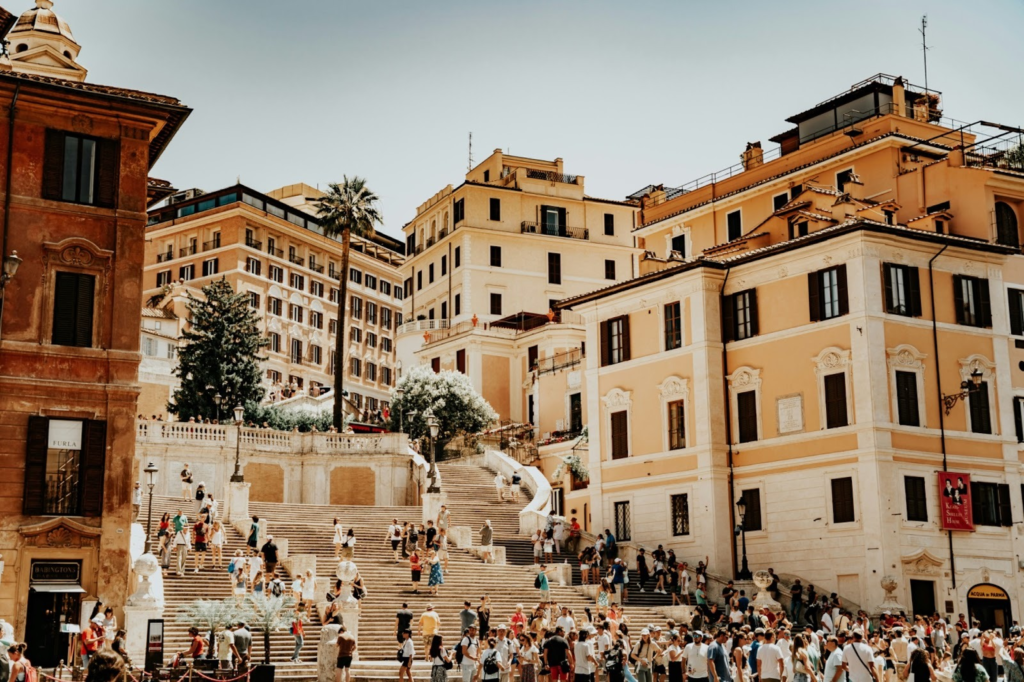
1. A Warm Welcome in Rome
Rome, the Eternal City, is a place where history’s layers lie everywhere—from gladiatorial arenas to Renaissance art. And, while the city’s origins predate modern accessibility standards, Rome has embraced improvements thoughtfully. Many metro stations, major tourist sites and hotels now offer ramps, elevators, tactile paving and accessible restrooms.
Accessible Accommodation
Large hotel brands in Rome often provide accessible rooms equipped with features like step-free showers, spacious doorways, support rails, and emergency call systems. Smaller, independently run hotels are also embracing inclusive design principles to better accommodate all guests. It’s wise to reach out directly before booking to confirm features like bed height, shower type or the availability of accessible lifts.
Navigating the City
Although Rome’s pathways can include cobblestones and some hilly stretches, getting around is much more manageable with a bit of support. Station pick‑up services, accessible taxis and ride‑hail options with wheelchair access are widely available. Many piazzas and well‑traveled routes are level or fitted with curb‑cuts, particularly around the Vatican, Piazza Navona and Trastevere.
Iconic Sights Made Accessible
- Visitors to the Colosseum and Roman Forum can make use of step-free access points, lifts, and specific areas designed for wheelchair users or those with mobility needs. Wheelchair users can navigate much of the ground level; the Forum has even begun adding boardwalks and ramps.
- Vatican Museums, including the Sistine Chapel, provide wheelchair‑accessible routes, accessible toilets, a dedicated entrance, and wheelchairs available for loan (free, first‑come, first‑serve).
- At St. Peter’s Basilica, you’ll find ramps, elevators, accessible restrooms, and personnel available to assist as needed.Reserved seating for people with disabilities is available during services.
2. Florence: Renaissance Beauty with Accessibility in Mind
Florence is a treasure chest of art, architecture and artisanal craftsmanship. Fortunately, many of its top sights are increasingly accessible. The busy Florence–Rome route offers multiple daily high‑speed connections. Train Florence to Rome, for example, provides accessible seating, onboard toilets, and level boarding at stations such as Firenze Santa Maria Novella and Roma Termini. Pre‑booking your spot ensures a smoother experience, and helpful staff are there to assist with luggage or boarding.
Easy Access in the City Centre
The compact city centre makes navigating Florence by wheelchair or with mobility aids relatively straightforward, especially along major routes. Trams and buses offer accessible boarding, and numerous hotels near the Duomo and Ponte Vecchio provide adapted rooms and lifts.
Child‑Friendly and Inclusive Museums
- At the Uffizi Gallery, guests can follow clearly marked accessible paths, use elevators, and access specially adapted toilet facilities. Wheelchairs may be borrowed, and staff are happy to assist with orientation tours.
- Accademia Gallery, home to Michelangelo’s David, has entrance ramps, lifts and accessible restrooms. Pre‑booked tickets guarantee accessible entry points.
- Boboli Gardens and Pitti Palace are partially accessible: the palace offers ramps and adapted restrooms, while garden paths are wide, though some areas remain steep—still, there’s plenty to enjoy.
Beyond the Centre
A short ride brings you to the gently rolling hills of Tuscany. Many agriturismi (farm stays) now offer accessible rooms, step‑free entry and level access to nature—ideal for a quiet, inclusive countryside stay.
3. Venice: Canals Without Compromise
Venice is famous for its canals, bridges and romantic palazzos. Modern Venice is making strides in accessibility, although some challenges remain due to its historic layout.
Navigating Water and Walkways
- Vaporetti (water buses): Mainlines like those along the Grand Canal are accessible, with fold‑down ramps at main stops. Smaller canals may still require stepping.
- Bridges and Riva areas: Major pedestrian zones, like around Piazza San Marco and along the Zattere, are level or ramped. Many bridges have ramps, though there are still some steps that can be avoided by altering your route.
Accessible Attractions
- St. Mark’s Basilica now features ramped entrances and accessible toilets. The terrace platform offers stunning views and is accessible by lift.
- Doge’s Palace includes a wheelchair‑equipped lift to major floors and accessible toilet facilities.
- Peggy Guggenheim Collection provides step‑free entry (via gondola-style lift) to the first exhibition floor.
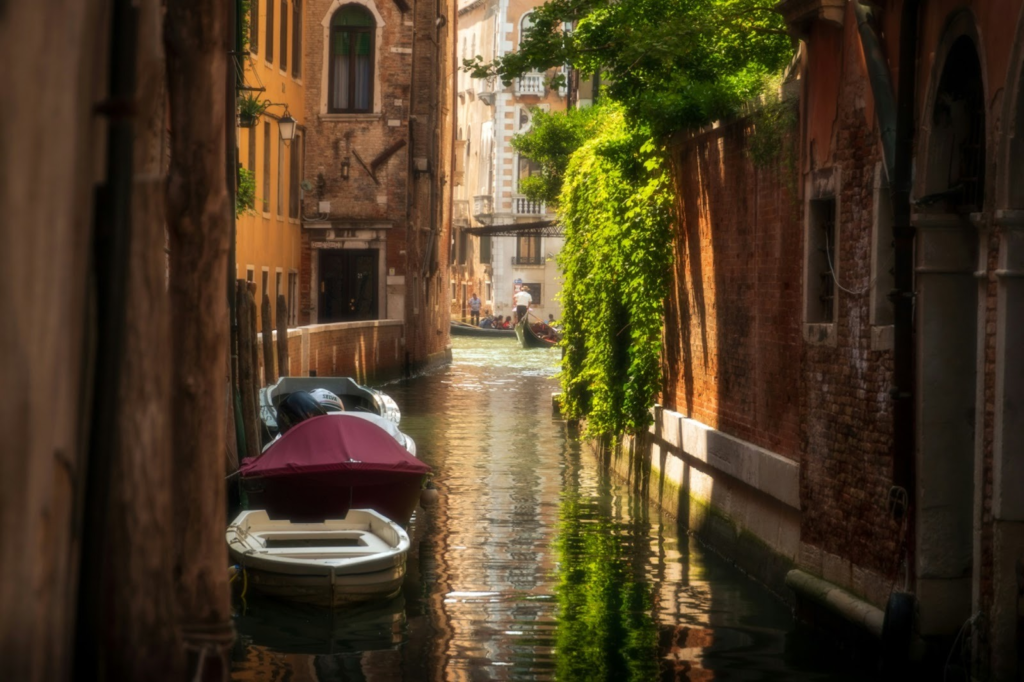
4. Southern Italy: Naples, Amalfi and Pompeii
Southern Italy brings dramatic landscapes and ancient heritage. It also offers accessibility that reflects growing investment and awareness.
Naples
Naples presents an eternal gritty energy, yet its historic centre has grown more navigable. Accessible metro stations (like Toledo station), wider sidewalks and modified bus services ease travel. Many modern hotels downtown offer accessible rooms with roll‑in showers. The high‑speed train Rome to Naples runs frequently, with journey times under 90 minutes. Most Trenitalia Frecce and Italo services feature at‑platform assistance, wheelchair lifts and accessible toilets. Booking accessible seating in advance is strongly recommended, and station staff are trained to help you board or disembark safely.
Naples is an accessible gateway to the iconic Amalfi Coast and Pompeii—more on that below.
Amalfi Coast
This coastal paradise poses access challenges—steep hills and narrow alleys—but there are good solutions. Accessible boat tours from Amalfi and Positano use pontoons, not fixed docks, making boarding easier. Seaside promenades, especially in Amalfi centre, are level and accessible. Some luxury hotels offer step‑free entry and adapted rooms.
Pompeii
Pompeii has pioneered accessibility among archaeological sites. Wheelchair‑friendly entrances and pathways crisscross major streets; audioguides have adjustable volume and subtitles. While not every temple is accessible, much of the site is. Onsite adapted toilets and accessible bus transport are also available.
5. Rome’s Vatican City and Tivoli
Vatican City, though a country within Italy, deserves special mention due to its cultural importance and accessibility focus:
- Vatican Gardens, while somewhat hilly, offer reserved accessible vehicles and golf‑cart tours.
- Castel Gandolfo, the papal summer residence near Rome, provides accessible entry, pathways and adapted restrooms.
Nearby, Tivoli’s world‑famous sites—Villa Adriana and Villa d’Este—have improved accessibility. The gardens, terraces and fountains area offer ramps and widened paths, though some elevation changes may still require assistance.
6. Sicily: Culture and Accessibility in the Mediterranean
Sicily offers stunning coastal scenery, archaeological riches and a vibrant culture that’s increasingly accessible.
Palermo and Catania
Both cities feature accessible tram and bus systems. Main attractions like Palermo’s Cathedral and Catania’s Piazza del Duomo offer ramps and adapted toilets. Hotels in both cities include accessible rooms and lifts.
Ancient Sites Made Accessible
- Valley of the Temples (Agrigento) provides accessible pathways across sections of the site and accessible toilets.
- Taormina’s Greek Theatre has been fitted with ramps, adapted toilets and reserved seating areas.
Outdoor and Coastal Access
Coastal regions around Cefalù and San Vito Lo Capo offer purpose‑built ramps and boardwalks to the beach. Adapted aquatic chairs for seabathing are increasingly available for hire.
7. Practical Tips for Barrier‑Free Travel
Here’s a helpful checklist to ensure your Italian adventure goes smoothly and comfortably:
- Pre‑book travel and accommodation: Reserve accessible rooms and transport assistance well in advance—especially summer.
- Know your train seating: Both Trenitalia and Italo offer accessible areas and assistance at stations. Always book dedicated wheelchair spaces.
- Use apps and guides: TerrazzApp, Handy Access, and accessibile.org provide accessibility ratings for cities and attractions.
- Request help at stations: At major hubs like Rome Termini or Milan Centrale, staff can assist with boarding, ramps and luggage.
- Bring adaptive gear: Portable ramps and travel scooters can help with minor barriers.
- Language files: Carry key phrases in Italian—like “bagno accessibile” or “aiuto per salita”—or download translation apps.

8. The Future of Inclusive Travel in Italy
Italy’s journey towards full inclusivity is ongoing, with inspiring examples of progress happening daily:
- Government funding: Public investment is expanding accessible tourism in small towns and rural areas.
- Local activism: Disability and ageing advocacy groups are influencing municipal improvements to street access, transit and public toilets.
- Tourism leadership: Travel agencies now offer specialised barrier‑free tours, often led by guides trained in disability awareness and universal design.
Final Thoughts: Italy’s Wonders Within Reach
Italy is a place of soulful towns, unforgettable art, and culinary delights. Even its oldest, most historic corners are becoming fairer, more open and more welcoming. The combination of modern trains, improved public spaces, accessible hotels and cultural institutions shows that barrier‑free travel is not just possible—it’s evolving into a vibrant, lived reality.
Whether you’re gliding between Rome and Naples on a high‑speed accessible train, marvelling at Renaissance masterpieces in Florence, boating along the Amalfi Coast, or admiring Greek temples in Sicily, barrier‑free Italy is spreading across legend and stone. With preparation, information and the warm welcome of Italians, immersive, accessible journeys across this stunning country are well within reach.
After all, travel isn’t about obstacles—it’s about the freedom to discover. And in Italy, that freedom is expanding every day.