
There seems to be so much that goes into planning an accessible trip to Japan or South Korea. I was grateful for this guide from Arina before planning our own trip to Japan (more on that coming soon!).
If you’ve ever dreamed of exploring temples in Kyoto, getting lost in the buzz of Seoul, or simply discovering a new part of the world on your own terms, you’re not alone. Asia, with all its contrasts—ancient and modern, serene and electric—has a way of capturing the imagination. But for many of us, especially travelers with access needs, that dream can feel a little out of reach.
Maybe you’ve wondered whether the streets are accessible, if the trains are manageable, or whether language barriers might make things harder. You’re not being overly cautious—you’re being practical. Inclusive travel isn’t just about where we go, but how confidently and comfortably we can get there. And the good news? You don’t have to compromise.
In recent years, both Japan and South Korea have quietly become leaders in accessibility across Asia. From thoughtful public transport design to inclusive cultural experiences, these countries are opening their doors wider—to solo travellers, families, older adults, people with disabilities, neurodiverse travellers, and anyone who wants to explore without limitation.
Whether it’s your first trip to East Asia or a return to a place you’ve long loved, there are now more options than ever for accessible, respectful, and joy-filled exploration.
Let’s take a closer look at how you can experience it all—without leaving accessibility behind.

Why Japan Feels Like a Gift for Inclusive Travellers
Japan is one of those countries that has a way of getting under your skin—in the best way possible. It’s clean, calm, efficient, and wonderfully respectful. And for travellers with access needs, it’s surprisingly accommodating, once you know where to look.
One of the easiest and most enjoyable ways to explore is through private Japan tours. These custom experiences take the guesswork out of planning and let you shape the trip around what works for you. Whether that’s step-free access, sensory-friendly environments, or support from a local guide who understands your needs, private tours offer flexibility without sacrificing depth. Want to explore ancient shrines, take in Mount Fuji or soak in a hot spring (with accessible facilities)? There are options for all of that—and more.
From Tokyo’s high-tech train stations to peaceful gardens in Kanazawa, there’s a quiet thoughtfulness built into Japan’s infrastructure. Lifts are easy to find, train platforms have tactile paving, and station staff are quick to offer help with ramps or directions. Even when language is a barrier, kindness usually isn’t.
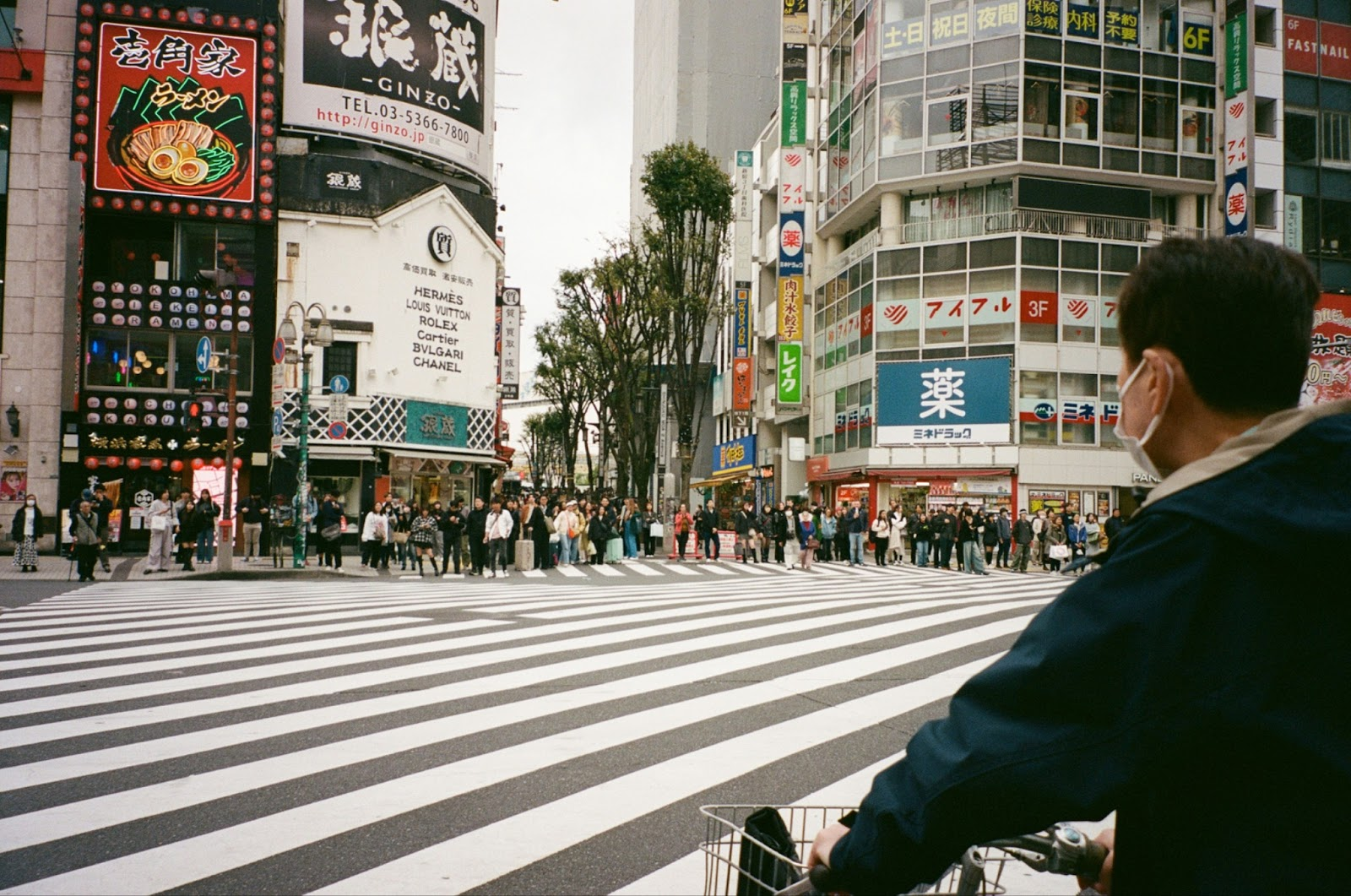
South Korea: Fast-Paced, Friendly and Stepping Up for Inclusion
South Korea might move at a slightly faster pace than Japan, but it’s no less welcoming. Seoul in particular has made noticeable improvements in accessibility over the past few years, and it shows—in transport, public spaces, and attractions.
Travelling from one city to the next is made simple with the fast and efficient Seoul to Busan train service. The KTX isn’t just speedy (we’re talking around 2.5 hours)—it’s also designed with accessibility in mind, with wheelchair seating, accessible toilets, and priority boarding. For such a modern, kinetic country, there’s a surprising ease to getting around if you plan ahead a little.
In Seoul, everything from shopping malls and museums to historic palaces now offers improved access—think ramps, lifts, captioned video guides, and wide walkways. There’s even growing awareness of sensory needs, with quiet spaces and helpful staff becoming more common.
Busan, with its coastal vibe and slightly slower rhythm, offers a lovely contrast. Think sea views, cultural villages and seafood markets, all within easy reach.
Traveling with a Disability: Thoughtful Support Across the Journey
Both Japan and South Korea are expanding their range of support for travellers with disabilities, providing much more than just basic accessibility features like ramps and elevators. In Japan, many public toilets are fully accessible and equipped with changing tables, support bars, and even emergency call buttons. Tactile paving and audio signals at crossings are standard in most cities, and transport staff are generally well-trained in assisting passengers with visible or invisible disabilities. South Korea has been making big steps too, with more attractions offering wheelchair rentals, priority services, and detailed accessibility information online. While not every space is perfect yet, both countries show a real commitment to progress—and with a bit of planning, it’s entirely possible to create a journey that’s not just doable, but genuinely enjoyable and empowering.
Slower Days, Deeper Connections
One of the best parts about travel in Japan and Korea is that it doesn’t always have to be about rushing around. There’s a growing appreciation for unhurried, intentional travel—a welcome shift for anyone who enjoys truly immersing themselves in a destination.
In Japan, cities like Takayama or Matsue offer a more traditional pace, with accessible ryokan (Japanese inns), riverside strolls and intimate tea experiences. Many of these places have adapted baths and rooms without steps—so you can enjoy the atmosphere without worrying about accessibility.
In South Korea, towns like Jeonju or Gyeongju are beautiful and less crowded, making them great for more relaxed exploration. There are level paths through historic parks, accessible museums, and thoughtful additions like braille signage or guided assistance available if you ask ahead.
These are the kinds of places where a single afternoon stroll can turn into one of your most meaningful memories.

Eating Well (and Worry-Free)
Food is one of the biggest joys of travelling in Asia, and thankfully, both Japan and South Korea are becoming more inclusive when it comes to dining out.
In Japan, even smaller restaurants are starting to post allergy info or offer gluten-free and vegetarian options. More importantly, seating arrangements are becoming more flexible—especially in newer or renovated places. Apps like Gurunavi are great for finding accessible venues with English menus.
In South Korea, food is loud, social and absolutely delicious—from sizzling Korean BBQ to cosy temple cuisine. Many food courts (especially in department stores or malls) offer step-free access and accessible toilets nearby. And if you’re worried about allergies or dietary needs, bigger restaurants often have English menus with clear icons for things like nuts, shellfish, or pork.
Tip: if you’re nervous, write out your dietary needs or mobility support in Korean or Japanese beforehand—it makes communication so much smoother.
Where to Stay (and What to Look For)
Accommodation can make or break a trip, especially when access needs are involved. Fortunately, both countries offer increasingly better options—not just in big chain hotels, but also in boutique stays and local guesthouses.
In Japan, major hotel chains usually have rooms with roll-in showers, wide doorways and emergency assistance buttons. You’ll need to book them in advance, though—they’re limited, and they go fast. Some newer boutique hotels are also embracing universal design, so you can stay somewhere stylish and functional.
Korea is similar—big brands in cities like Seoul and Busan offer adapted rooms with accessible bathrooms, step-free entrances and great staff support. And there’s a growing number of smaller, independently run guesthouses offering inclusive rooms, especially in more touristy areas.
Always check the hotel’s website or email them directly to confirm details—it’s worth the extra step for peace of mind.
Travel Tips and Support That Makes a Difference
Travelling through Asia might feel daunting at first, but there’s so much support available now—from apps and resources to local organisations that specialise in inclusive travel.
Japan has excellent online accessibility maps, station guides, and even airport services you can pre-book for help with baggage or boarding. South Korea has made huge progress too, with resources like KTO’s Barrier-Free Travel Guide and accessible travel forums where other travellers share real-time tips.
It helps to bring a few small aids with you—portable ramps, translation apps (like Google Translate or Papago), and copies of key phrases in local languages. Little details can make a big difference.
And finally—don’t underestimate the power of community. Blogs, forums, and social groups for accessible travel are full of real people who’ve done it all before. Reach out, ask questions, and take inspiration from others who’ve found ways to make it work beautifully.
Final Thoughts: Adventure Is for Everyone
Japan and South Korea aren’t just destinations—they’re vibrant, living stories filled with quiet moments of reflection, bursts of colour and life, incredible food, and countless new ways of seeing the world around you. The journey through these countries is as much about discovering yourself as it is about exploring new places. And the best part? With the right planning and support, these journeys are not only accessible but deeply rewarding for travellers of all abilities.
Whether you find yourself marvelling at the delicate cherry blossoms in Kyoto, wandering through the bustling night markets of Seoul, watching lanterns float gently along a river in Busan, or simply enjoying a quiet cup of tea in a sunlit alleyway, these experiences are open to everyone. Each moment offers a chance to connect—not just with the place, but with people, cultures, and your own sense of adventure.
Inclusive travel is about breaking down barriers and making space for all kinds of journeys, no matter your mobility, needs or travel style. It’s about being able to choose your own pace, follow your own curiosity, and feel supported every step of the way. Japan and South Korea are leading the way in this respect, and the future looks bright for travellers seeking meaningful, accessible experiences in Asia.
So if you’ve been holding back from exploring this incredible part of the world, consider this your invitation. With thoughtful preparation and an open heart, the wonders of East Asia are truly within reach—and waiting to welcome you.
Arina is a professional interpreter and translator with experience across a variety of fields. Her passion for languages naturally extends into a love of travel and cultural exploration. When she’s not working with words, she’s discovering new places, meeting people from different backgrounds, and sharing her experiences through engaging travel stories. Writing about travel allows her to combine her linguistic expertise with her curiosity about the world.